


This account is from a resident of Kuwait who prefers to remain anonymous.
March 5: It is 5:56 a.m. here and I want to share a brief update because what will likely appear in the news in the coming hours may not fully capture what it feels like on the ground.
Last night the US base was on fire. The flames were visible from the school housing area where many of my staff live. Because of current security restrictions, I cannot post photos, but it was a shocking and unsettling sight.
At 4:00 this morning the sirens sounded again. It was one of the most intense rounds of attacks we have experienced so far. The silence yesterday had almost allowed people to breathe for a moment, which made this morning’s alarms even more jarring.
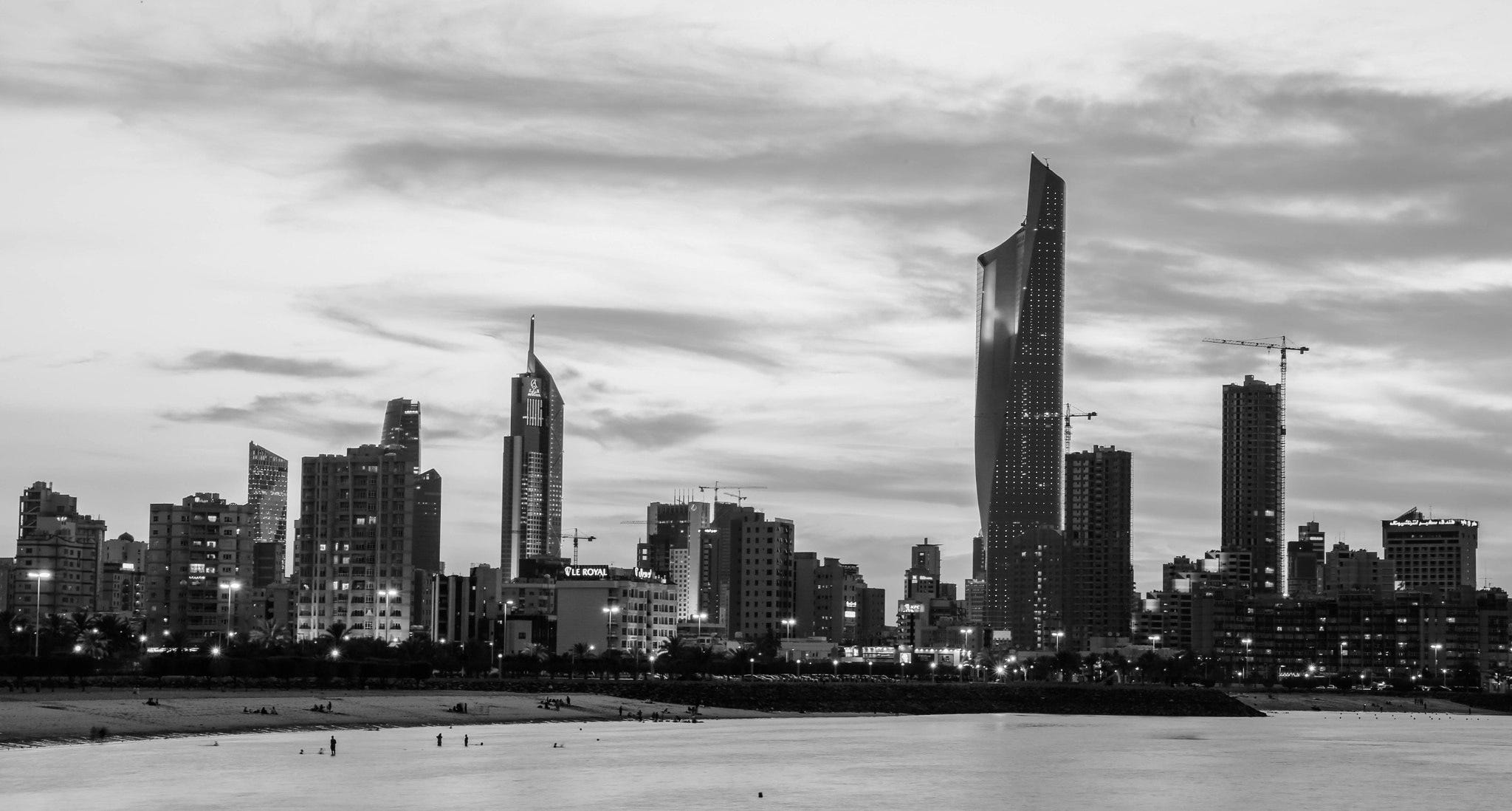
Yesterday we were cautiously discussing re-entry plans for school. I even left the house briefly to get urgent paperwork translated. Driving through Kuwait right now feels very different from normal. Much of the city is dark. Lights on military buildings are off. National Day decorations and government building lights are off. Buses are running without interior lights, and many bridge and highway lights have been switched off for safety. For a moment I genuinely questioned whether I was even driving the right way because everything looked so unfamiliar.
Kuwait’s air defenses are working incredibly hard intercepting incoming missiles. If you look at the numbers of interceptions, it is genuinely heroic work. Unfortunately many Kuwaiti servicemen have already been injured overnight.
There are many rumors circulating right now. Some say the hospital where Aziz recently had surgery was hit just in front of it, that a Kuwaiti army base was struck, and that a seaside hotel was damaged. I cannot confirm any of those reports at this time.
What is clear is that Kuwait has been drawn into a conflict it never asked for. Like several Gulf states, it is absorbing collateral impact from a wider regional escalation. The US military presence that once served as a stabilizing factor now also makes these locations targets, and Kuwait’s military and citizens are paying a heavy price for something they did not start.
Public sentiment here is shifting and some of that is now being expressed very openly regarding American presence. That is understandably worrying. In addition, some more volatile armed groups in the region are becoming emboldened and using the moment to flex influence. In certain places sectarian tensions are also increasing, which is particularly dangerous in an already unstable situation.
From my perspective, the situation feels like it is escalating rapidly though we are having long stretches of silence and normalcy.
There have also been confirmed intelligence briefings in the region indicating that some of the attacks on US embassies and oil facilities may not actually be coming from Iran—let that sink in for a moment. That is a significant development that will likely shape the narrative in the coming days.
Regarding evacuation, it appears the US State Department is attempting to organize something, but it is difficult not to feel like Americans on the ground here are an afterthought. If we had truly been a priority, half a million US citizens would not still be here waiting for guidance.
More than anything, this needs to come to a diplomatic and humanitarian pause as soon as possible. Too many innocent people across this region are already paying the price.
Please keep everyone here in your thoughts and prayers. None of the people living here wanted this.