


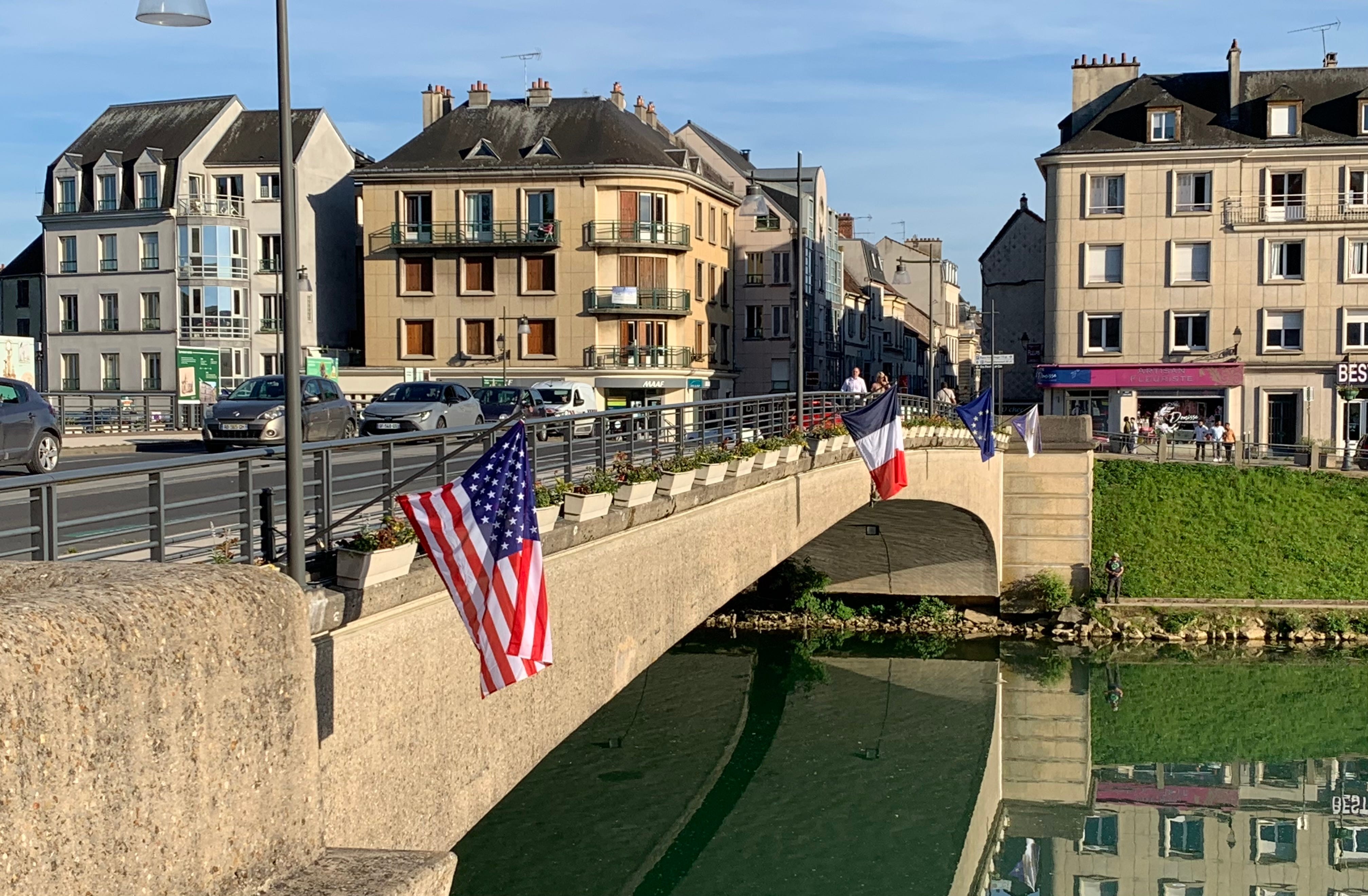
In France’s Aisne region, bounded by the rivers Marne, Oise and Aisne some 60 miles northeast of Paris, memories of World War I are kept alive through geography—each river gave its name to famous and terrible battles—and in cemeteries and ceremonies. On Monday, Memorial Day commemorations showed that despite the current transatlantic rift, Franco-American solidarity remains strong and still prompts warm exchanges.
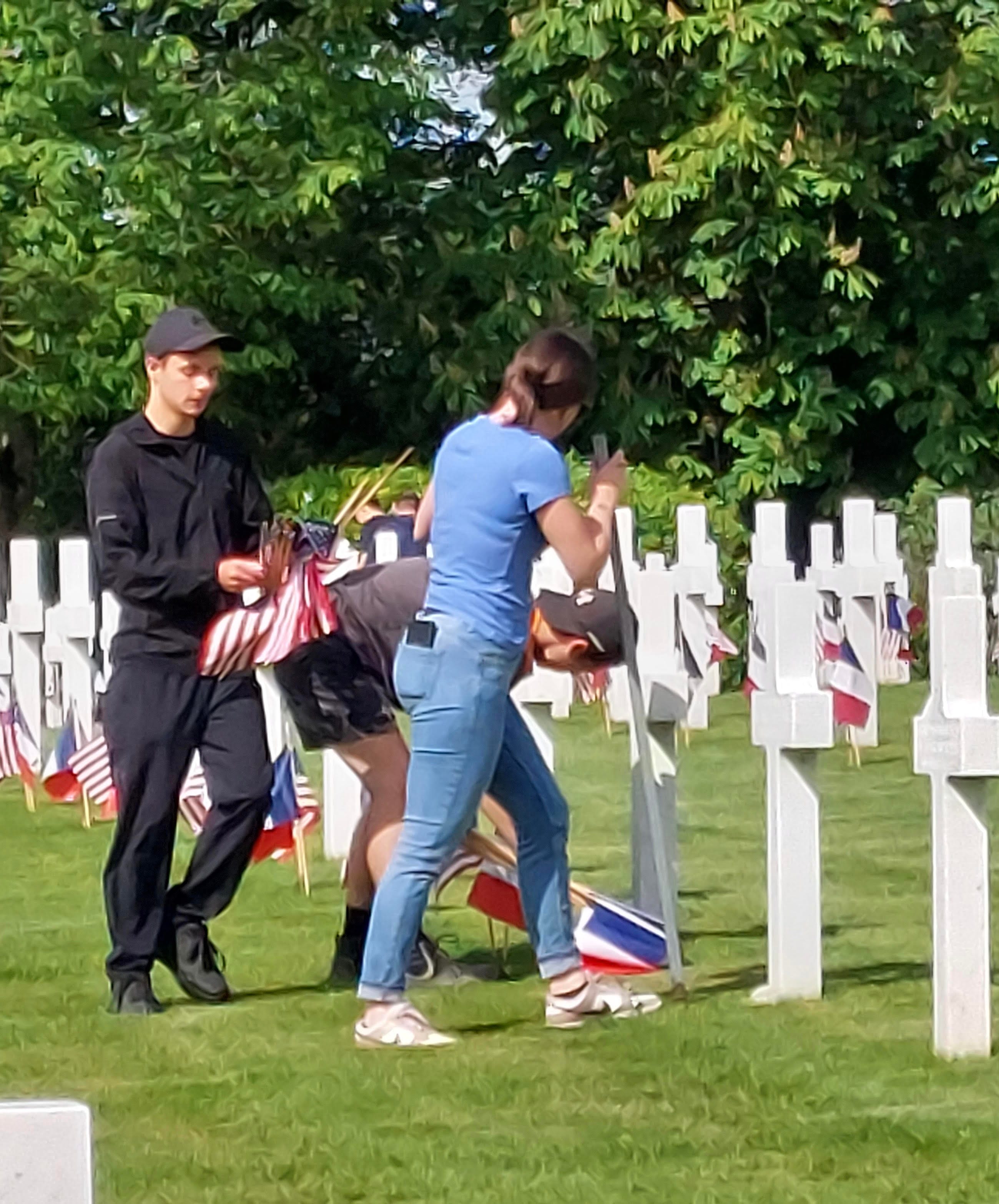
Far from the Washington-Paris disputes over NATO and failing alliances, the relationship is lovingly and intentionally maintained. At the Oise-Aisne American Cemetery, local volunteers and students place French and American flags next to 6,013 headstones each year just before Memorial Day. Mayors of the surrounding villages convene to place bouquets at the cemetery chapel.
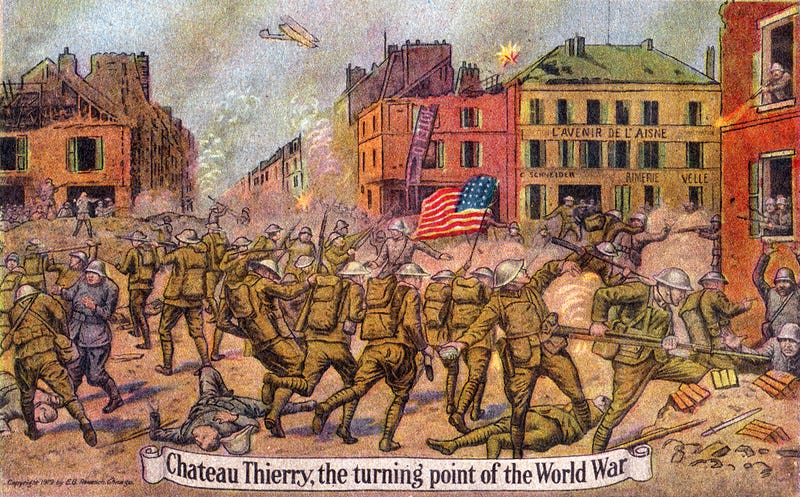
Twenty miles away, more flags, and French gardeners lovingly tend to 2,300 soldiers’ graves at the Aisne-Marne Cemetery, near the site of the US Marine engagement in the Battle of Belleau Wood in June 1918, and just outside the city of Château-Thierry, where General John Pershing’s American Expeditionary Force fought during the Second Battle of the Marne.
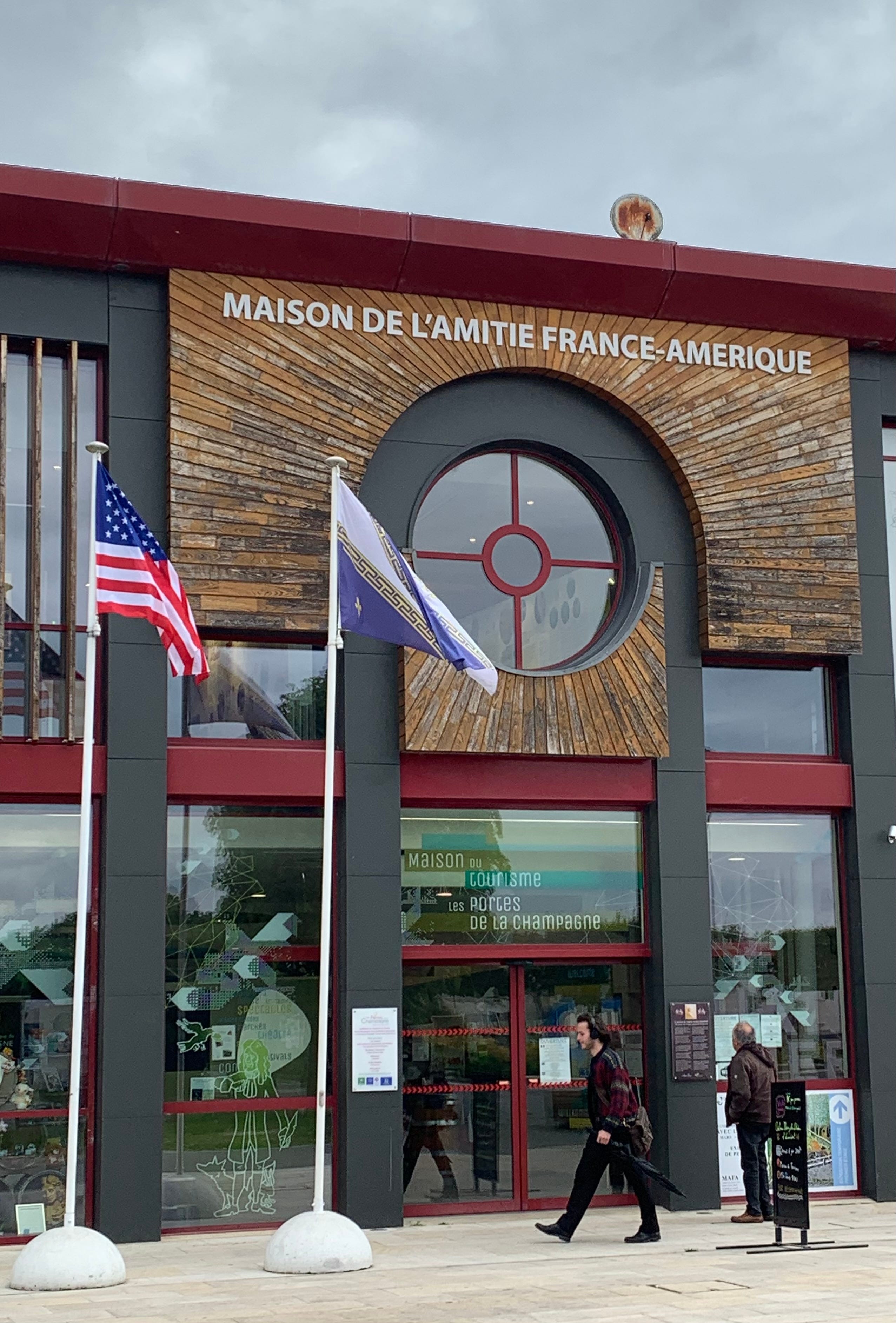
Today, the Maison de l’Amitié France-Amérique in the heart of Château-Thierry keeps those stories alive with exhibitions and, because “fraternity is cultivated at the youngest age,” it offers children English lessons.
On Friday night, Château-Thierry hosted a US Marine band from Camp Lejeune, North Carolina for a concert in a city park. Some 300 residents turned out to cheer the Marines and take selfies with them after the concert. One Marine said this annual visit is so important “for the younger Marines to be here, where it happened.”
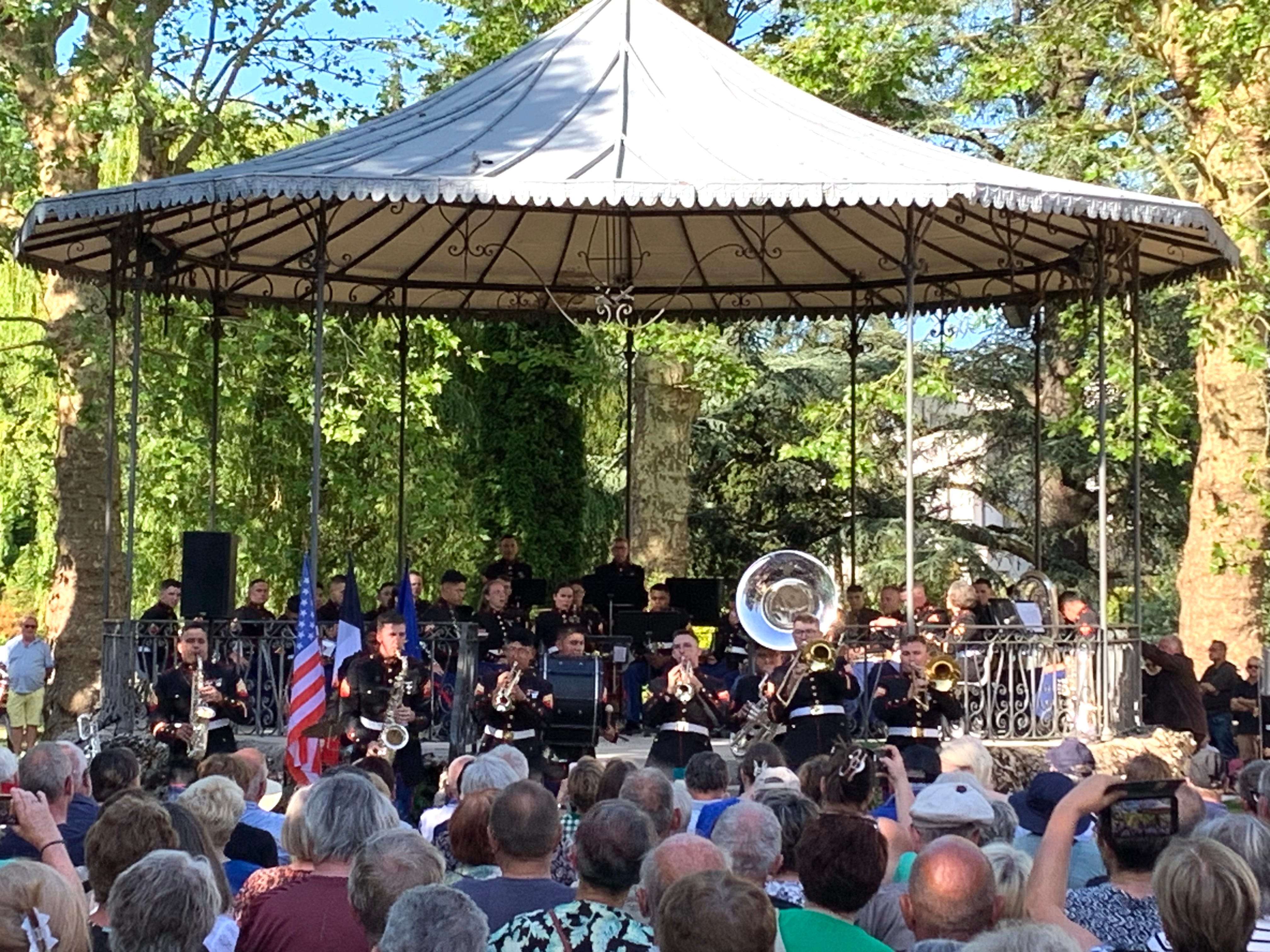
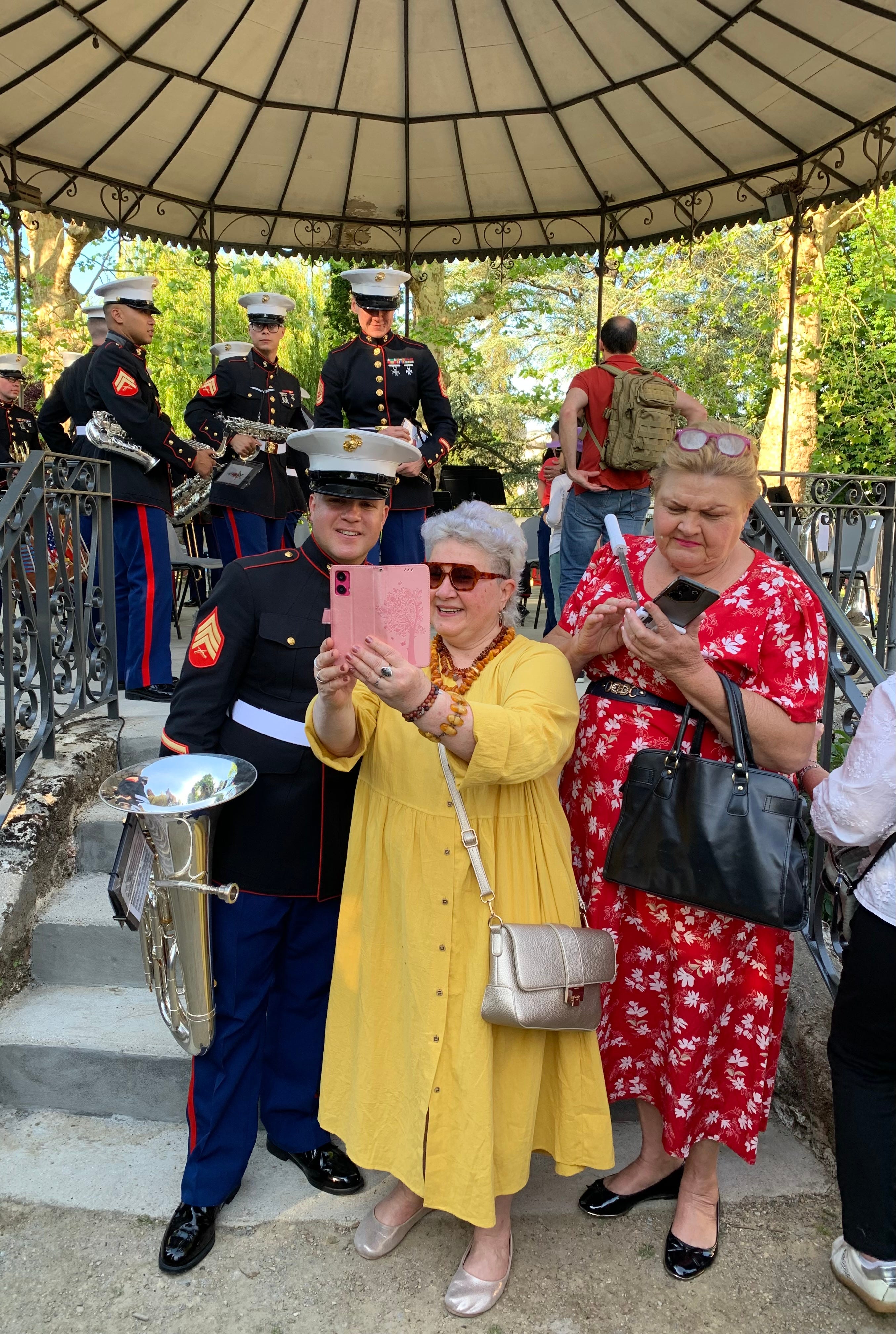
In addition to the 12 American military cemeteries and 13 monuments maintained in France by the American Battle Monuments Commission (ABMC), private citizens have maintained sites here, too.
A monument to the 42nd “Rainbow Division” is carefully tended on a nearby farm where ferocious fighting took place in July 1918.
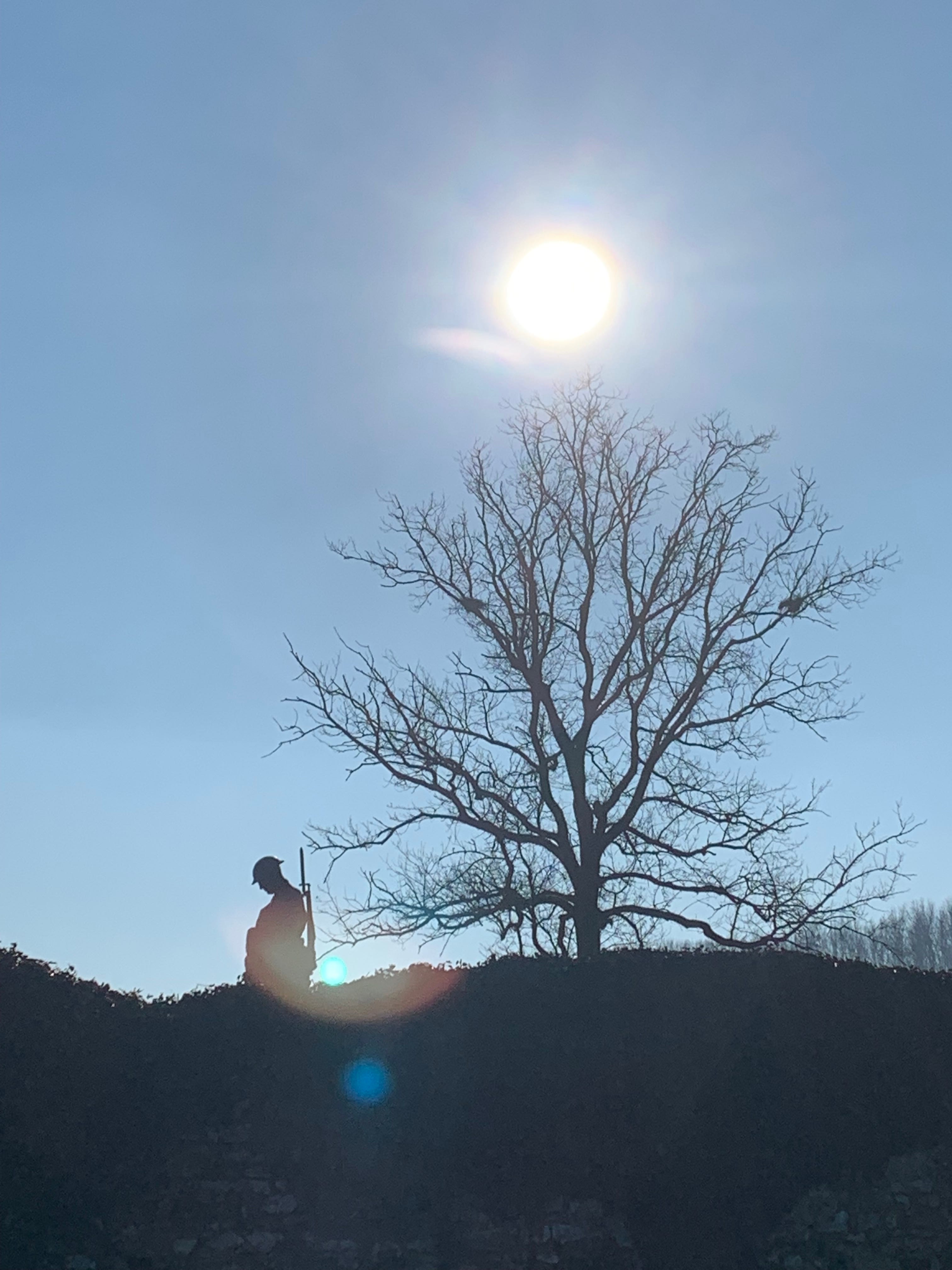
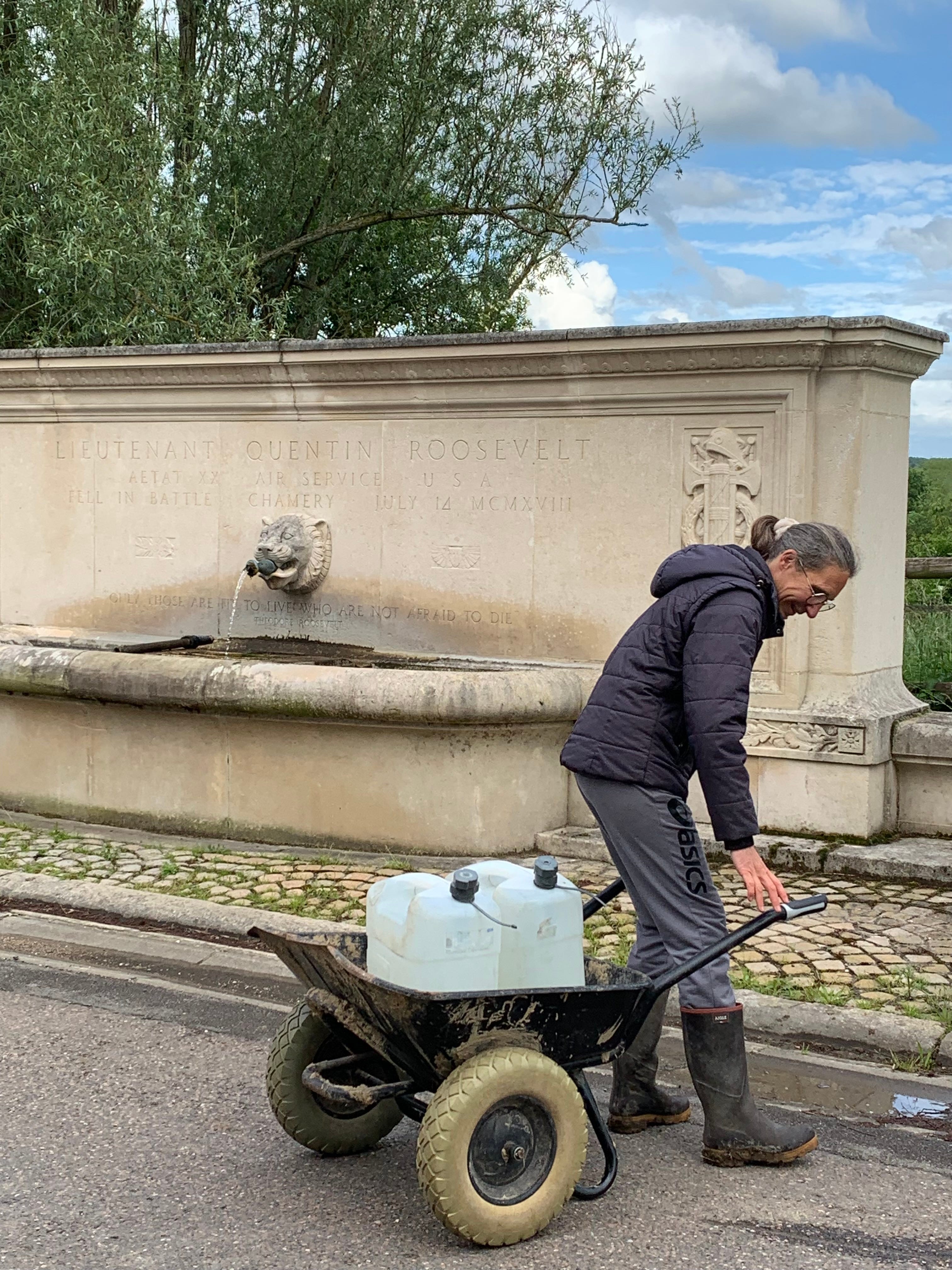
The tiny hamlet of Chaméry looks after the site where Quentin Roosevelt, a 20-year-old pilot and son of former President Theodore Roosevelt, was shot down by a German plane only days after arriving in France.
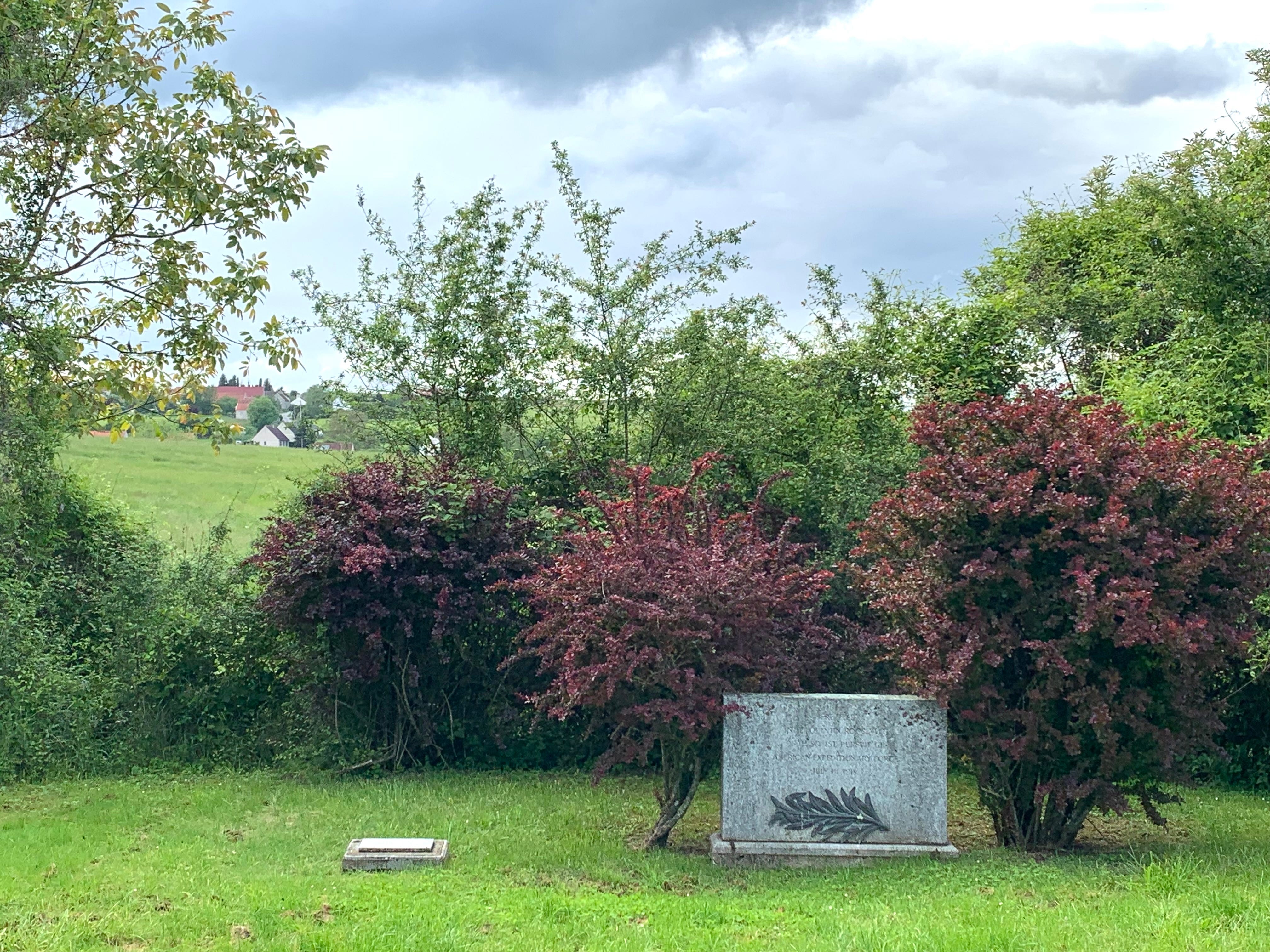
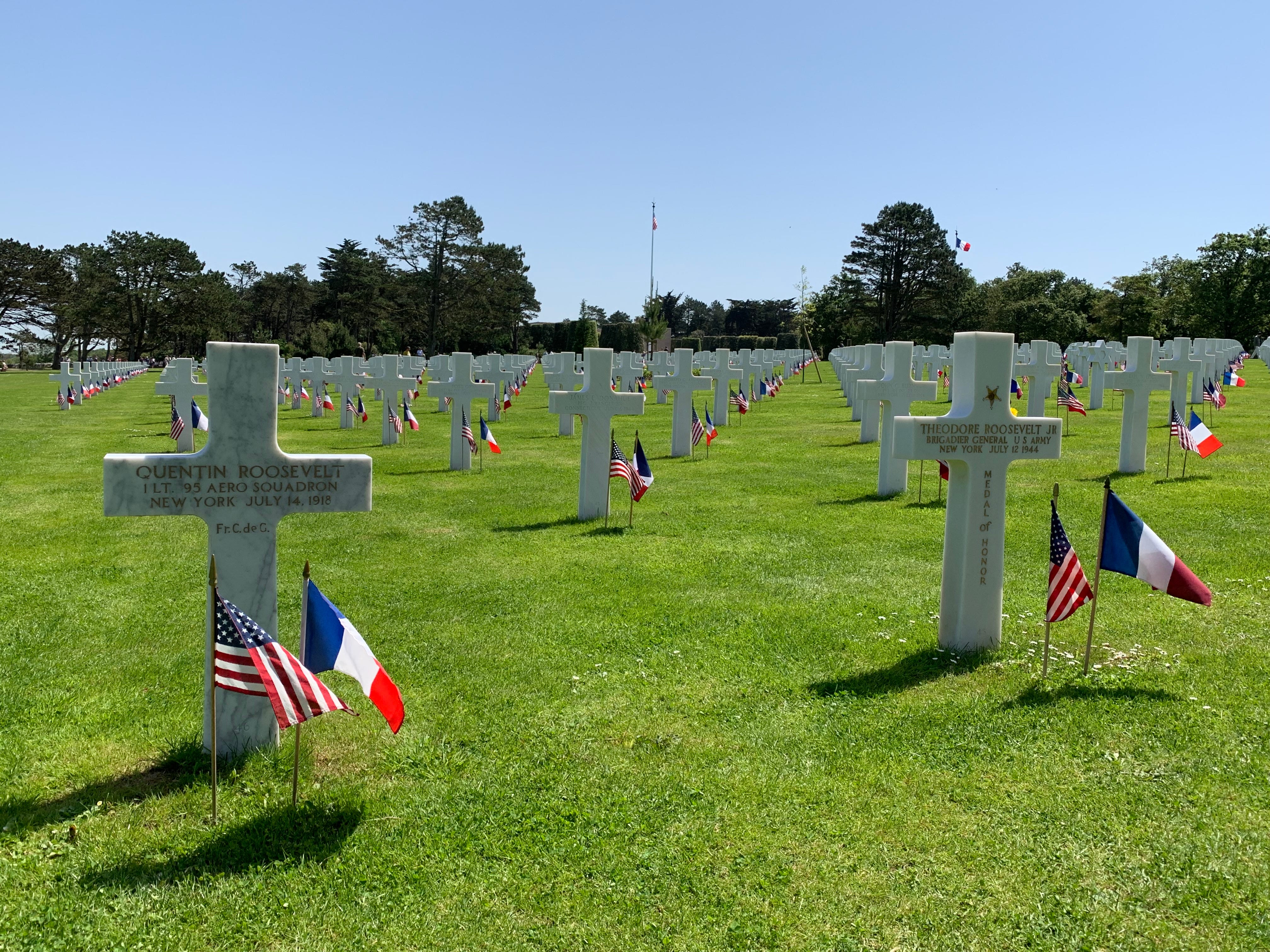
Villagers here tended his grave for decades until he was moved to Normandy to lie beside his brother Theodore Jr. in the World War II American Cemetery in Colleville-sur-Mer. (All four Roosevelt sons served in one or both world wars, and Theodore Jr. played a decisive role in the Normandy landings on D-Day.) The Normandy cemetery draws thousands of French tourists, as on this Memorial Day weekend.
Even though Quentin Roosevelt is no longer in Chaméry, he remains an integral part of the village. To thank them for their care, Quentin’s mother Edith Roosevelt gave the villagers a lovely fountain, from which neighbors still use water daily, and hikers fill their water bottles.
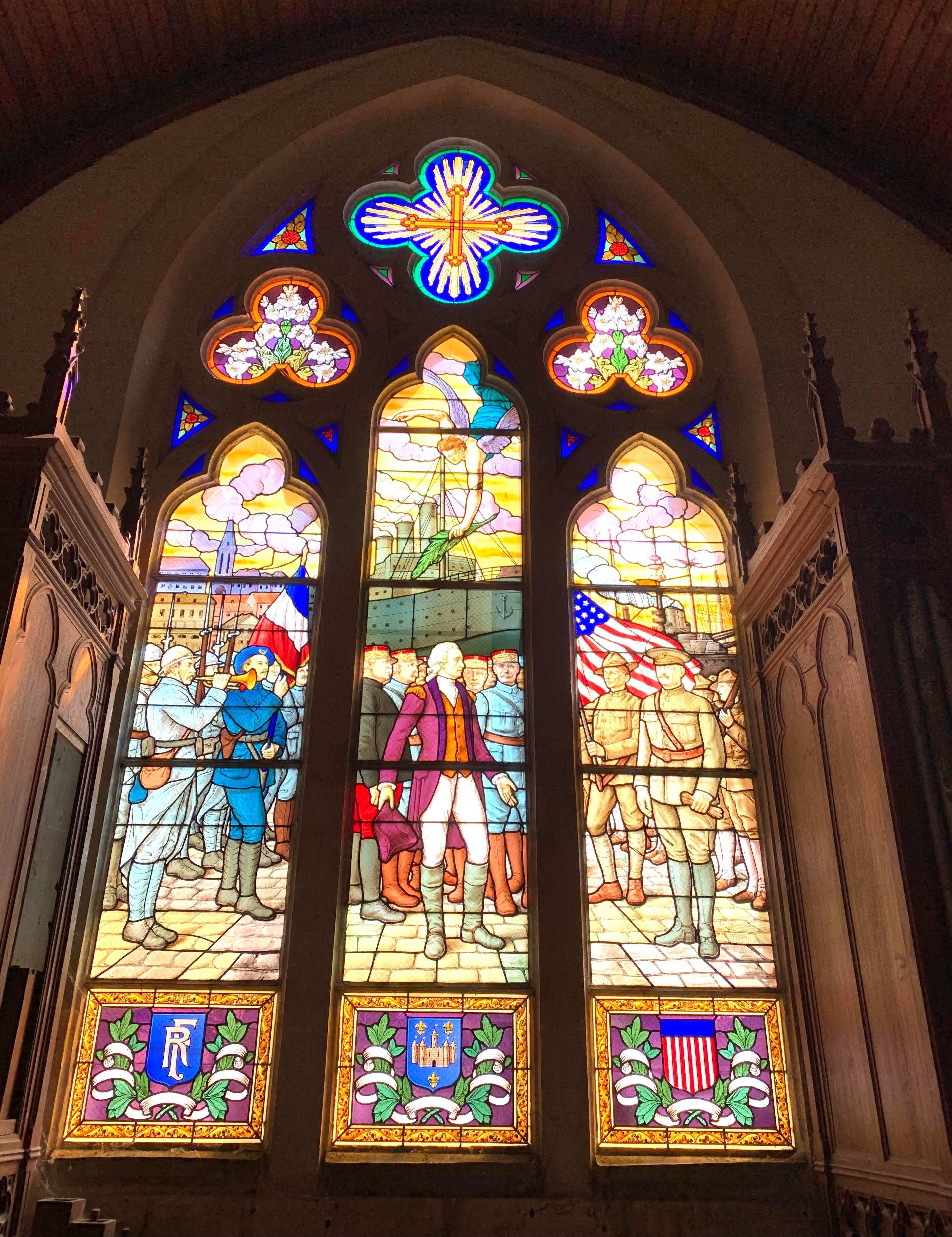
Back in Château-Thierry, French parishioners maintain the American Memorial Church, built in 1924 to honor the fallen and designed by Paul-Philippe Cret, the architect of the US Federal Reserve building in Washington, DC. The church’s largest stained-glass window celebrates Franco-American friendship with a time-bending fantasy meeting of General Pershing and the French hero of the American Revolution, Lafayette. “Lafayette, nous voilà,” the American supposedly said in 1917 on visiting Lafayette’s tomb—the tale is probably apocryphal but hugely popular.
In this region of France, the transatlantic friendship remains strong.
Elizabeth Wise is a former correspondent for The Associated Press and The Economist Group.