


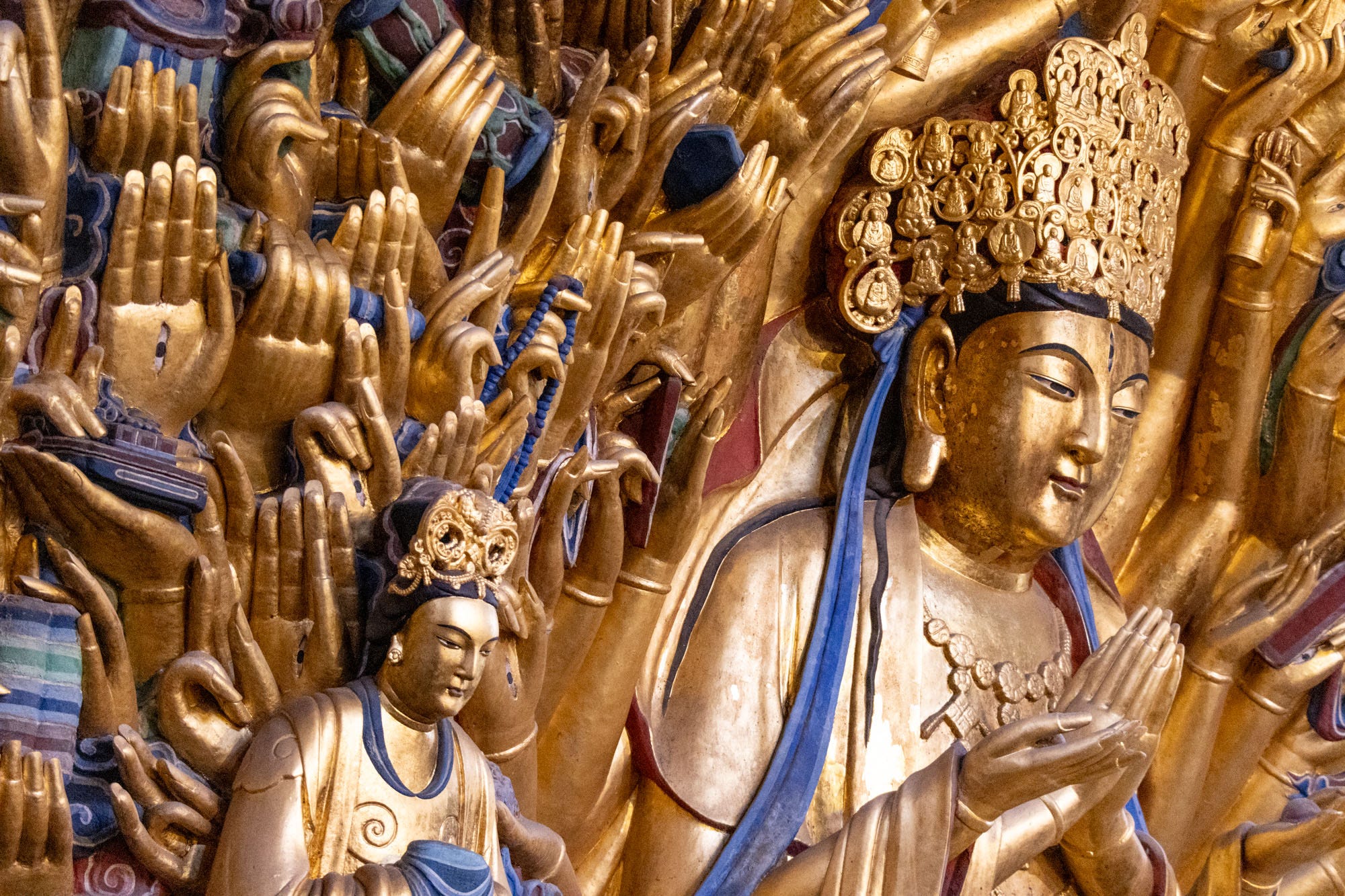
Last month on Baoding Hill (Bǎodǐng Shān), some 170 kilometers from Chongqing in southwestern China, I spent 20 minutes admiring the Thousand-Armed Guanyin, an 800-year-old, painstakingly restored Buddhist bodhisattva carved into rock and covered in gold foil. The 7.7-meter-tall statue has 1007 arms, each with an eye set into the palm, representing the guanyin’s (goddess of mercy’s) vow to witness and lend a helping hand to the world’s suffering.
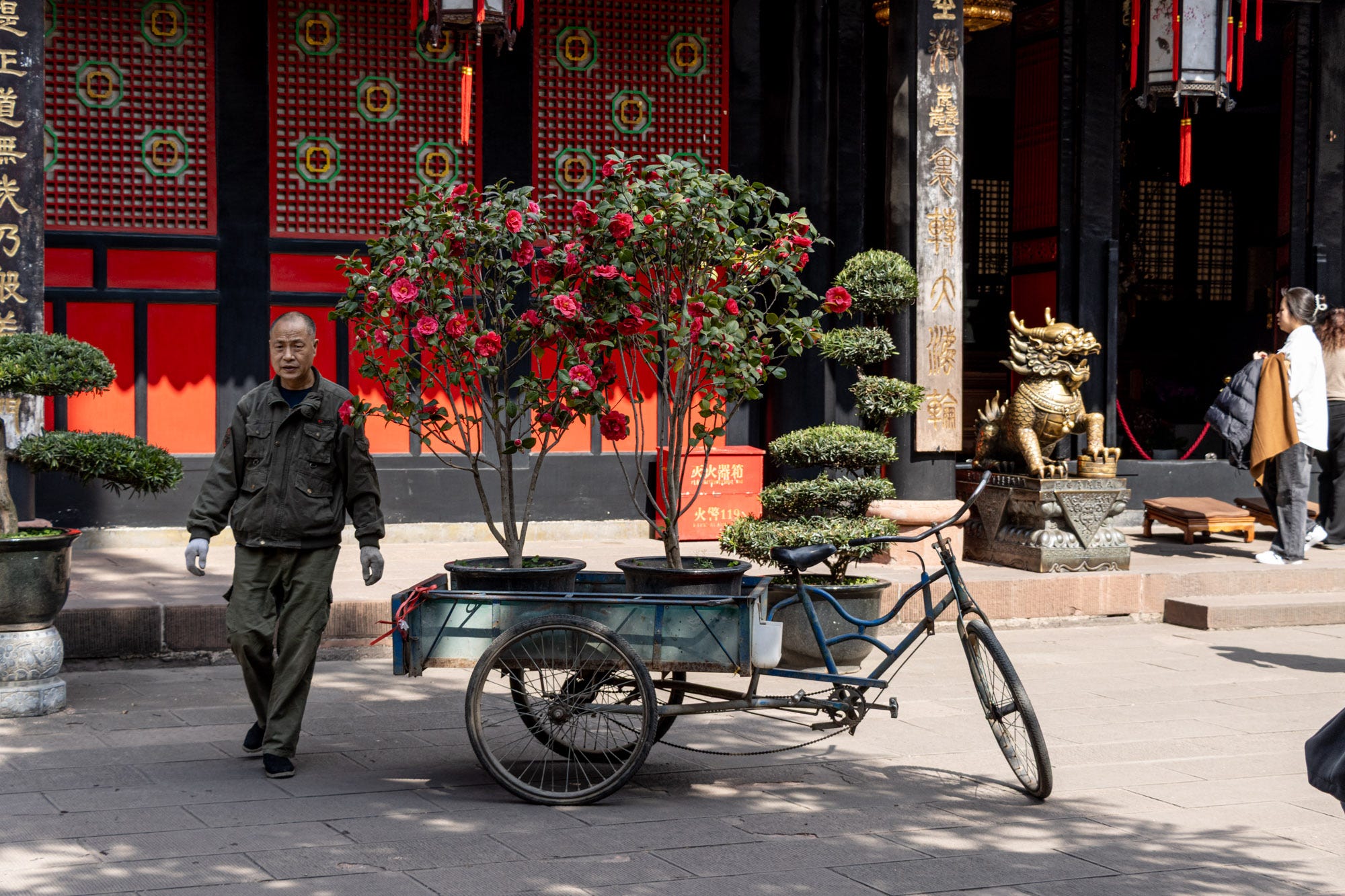
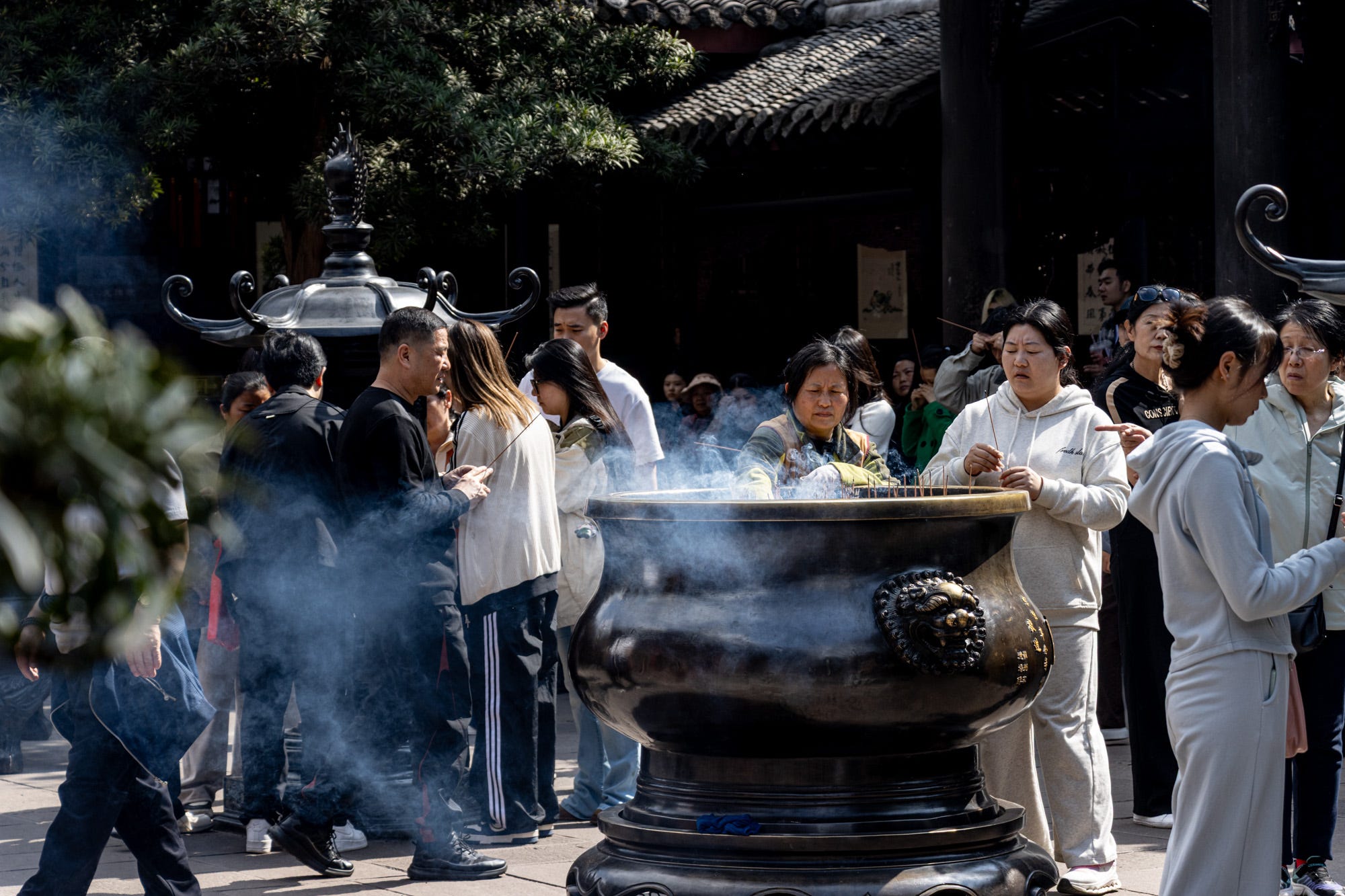
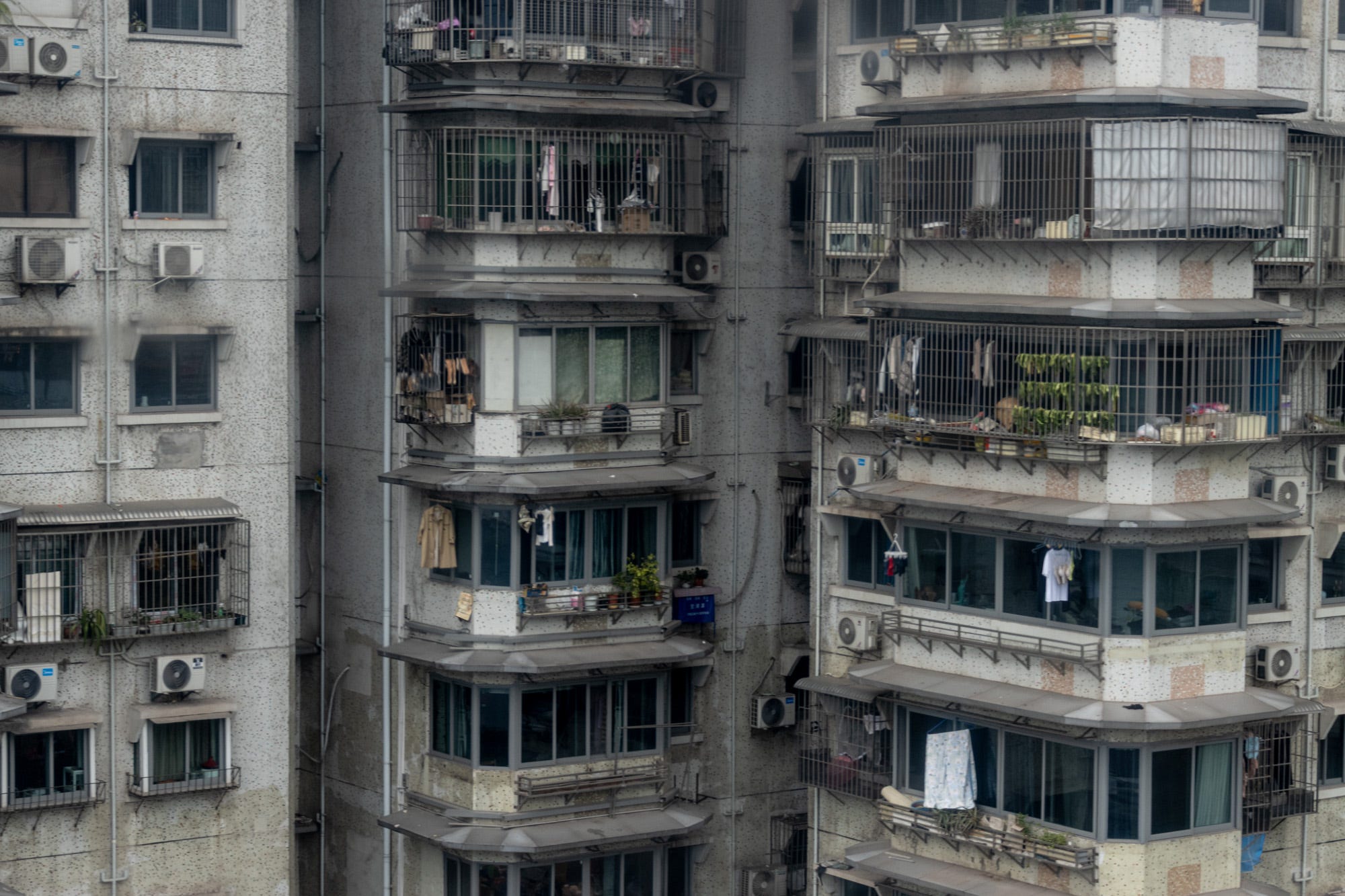
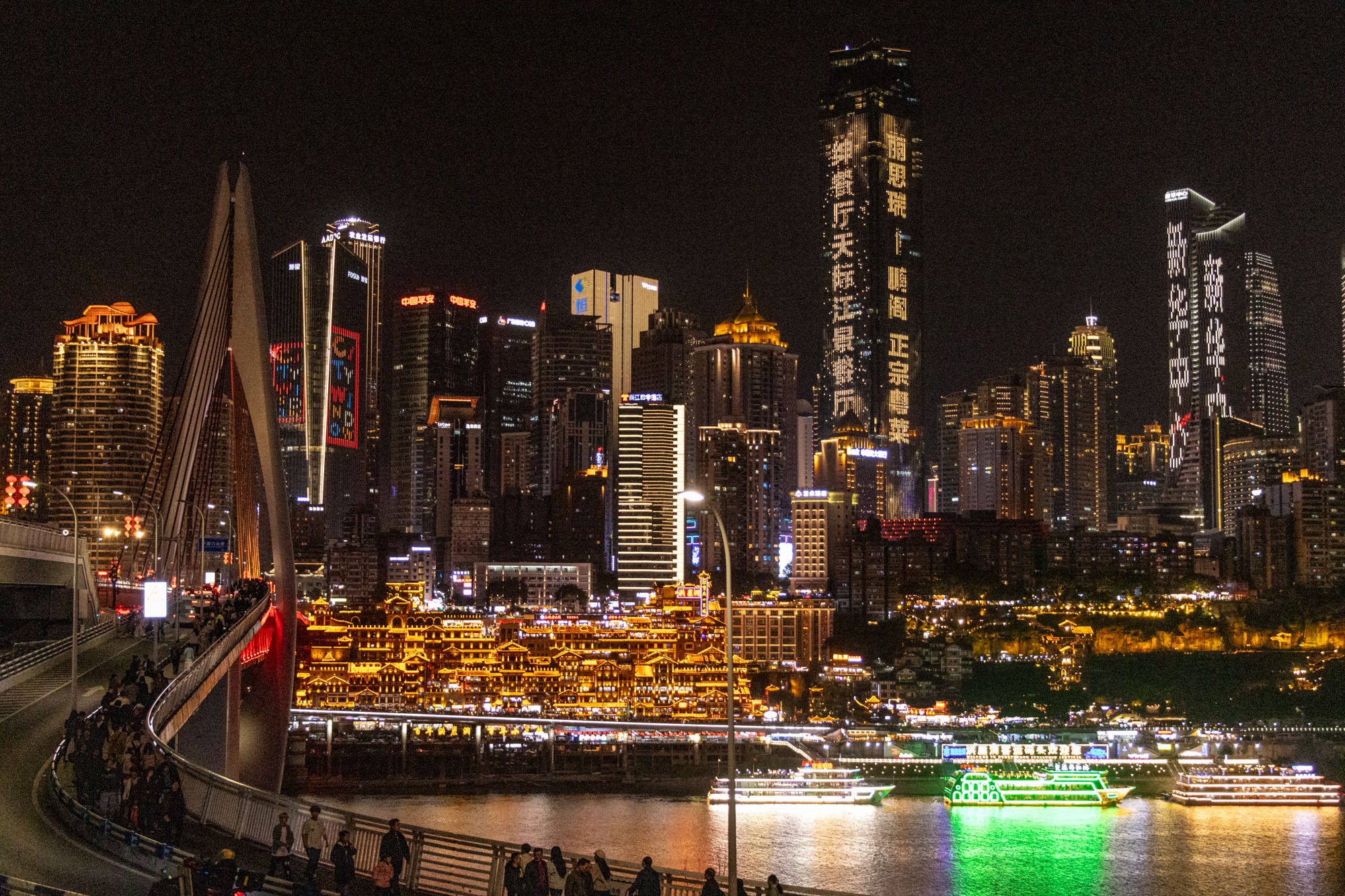
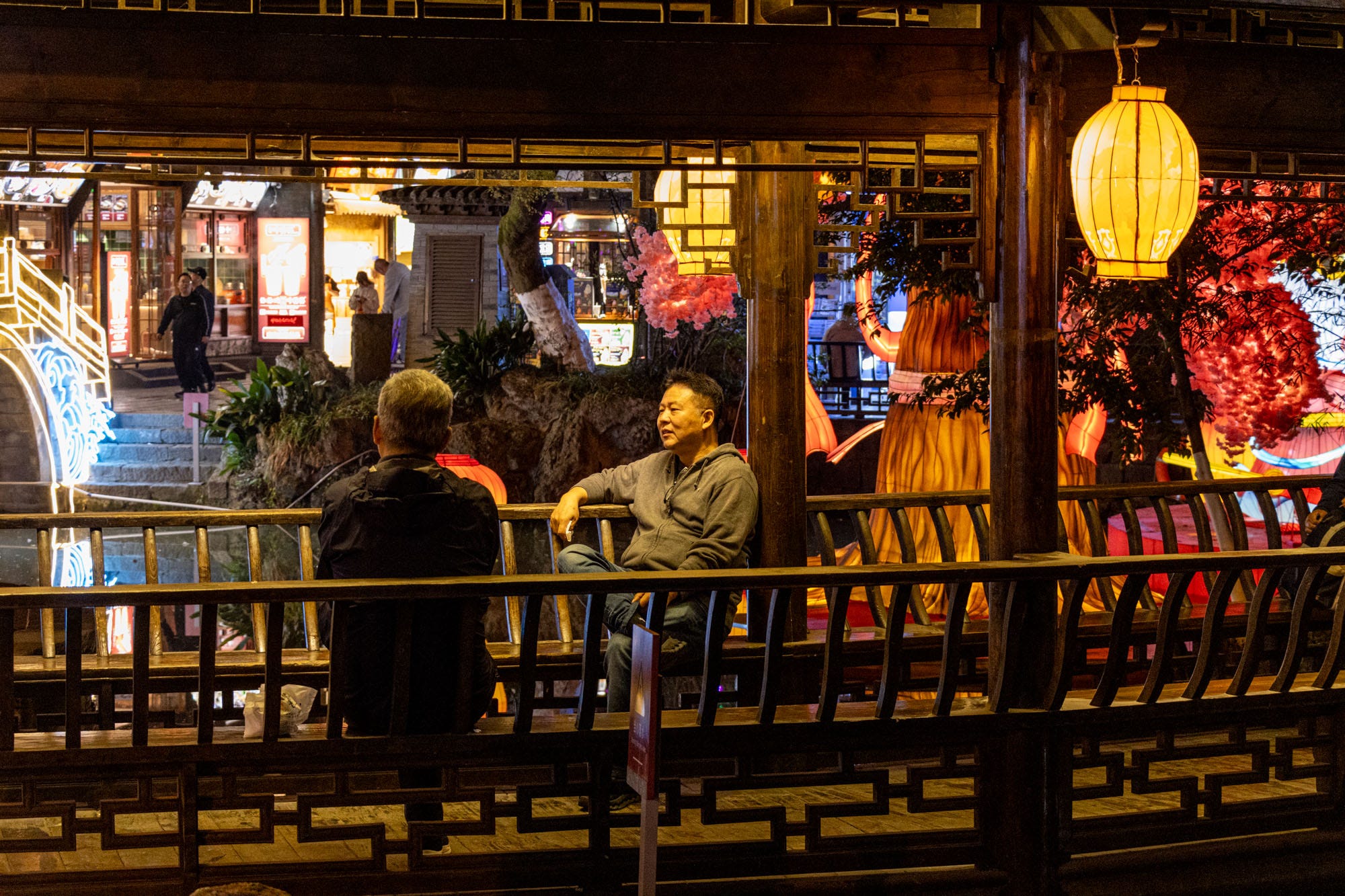
Over 10 days in China, as I marveled at the electric nighttime skylines of two megacities and wandered ancient streets transformed into pedestrian shopping areas, I thought about the precarious balance between the country’s long history and its headlong plunge into the future.
In Chengdu, some 300 kilometers northwest of Chongqing, I had my bags and face scanned several times a day as I entered the city’s state-of-the-art metro system, a network longer, cleaner and more efficient than New York’s. I ordered bubble tea, taxis and admission tickets on WeChat and photographed kiosks manned by humanoid robots in festive red hats and scarves. Those sights felt like an unsettling glimpse into a future where US technology might be eclipsed.
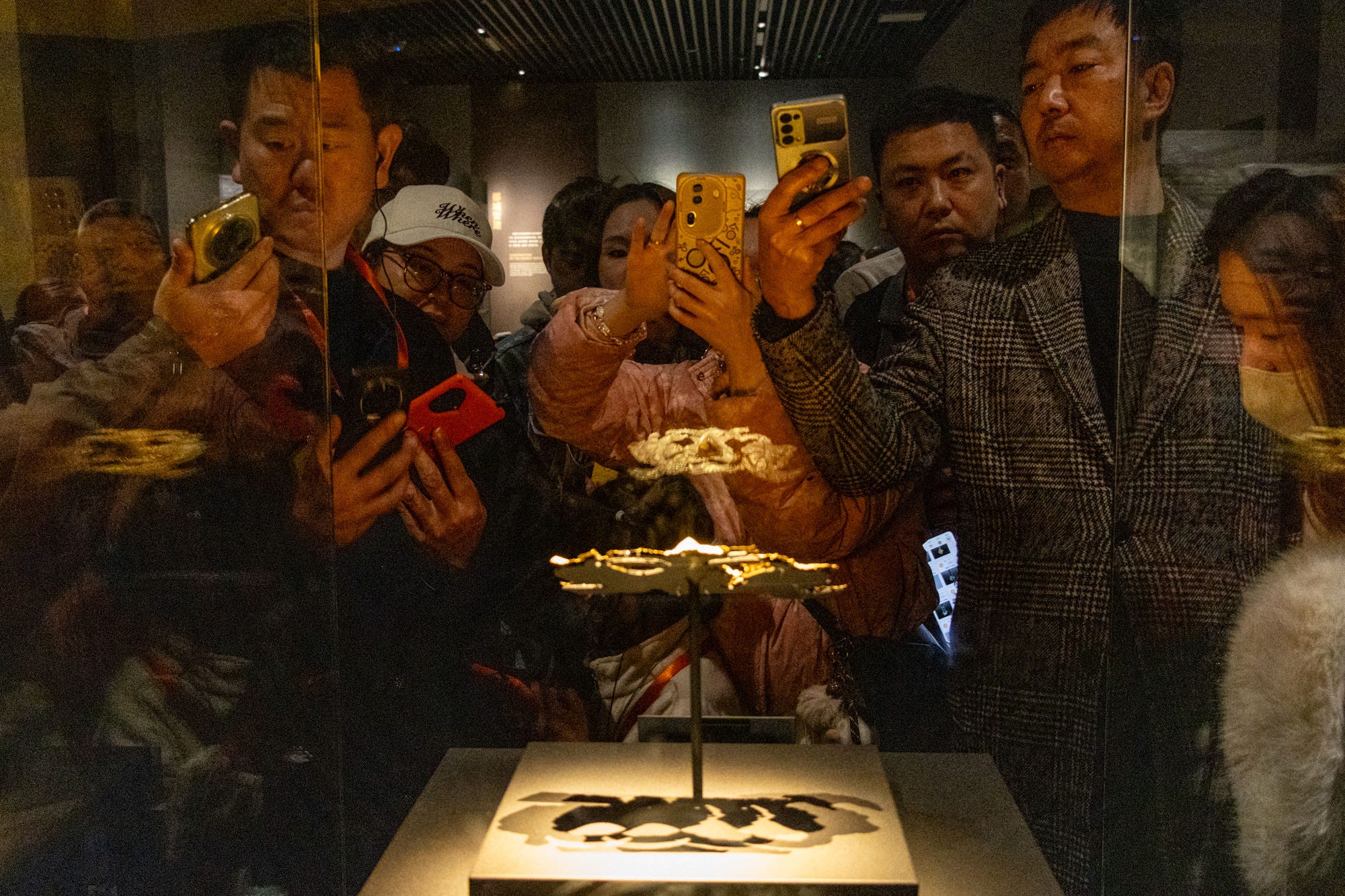
At the stunning Sanxingdui Museum, 40 kilometers north of Chengdu, I fought crowds of domestic tourists to take photos of Bronze Age masks with bulging eyes, mysterious relics of the ancient Shu kingdom. The bronze blades and gold foil masks reminded me of finds from around the same period in Mycenaean Greece, but the intricacy and completeness of the artifacts on display here were on another level. The Shu and the Mycenaeans never met, but growing competition between America and China feels inevitable, especially as Chinese firms expand to US markets.
On my second day in China, the United States and Israel launched airstrikes on Iran, igniting conflict in the Middle East. I followed developments on my phone, using the VPN I had installed before I landed. In older times, the guanyin might have reached out to comfort the war’s afflicted. But now it seemed she held her thousand arms and eyes high, monitoring the conflict yet remaining apart, ever-building and ever-watching, waiting for a decisive moment to reveal herself.

Steven Tagle is a writer living in Switzerland. He was an ICWA Stavros Niarchos Foundation Fellow in Greece (2021-2023) based in the Evros region and islands of Chios and Crete, from where he explored the culture, history and economies of the country’s border zones and their importance to national politics, society, economics and geopolitics, including Greece’s mounting role in the Eastern Mediterranean and transatlantic alliance.
Really enjoyed your photos, Steven